Who Is This For

Utilities
Strengthens Secure Grid Communications
SPaRC designs and tests advanced communication architectures. This includes testing communications
technologies and their associated protocols that protect grid data and support secure, reliable operation.
Provides Real-World Testing Environments
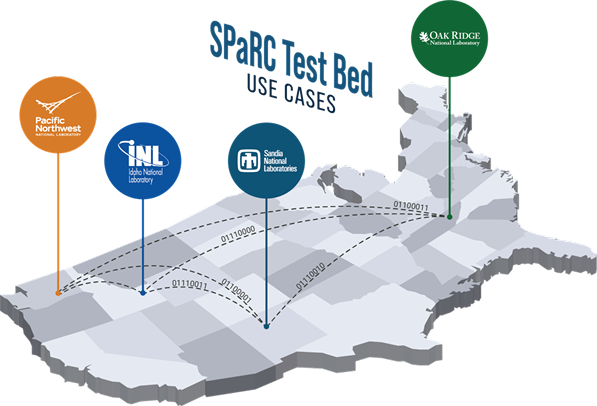
Through a multi-lab communications testbed, SPaRC enables utilities to evaluate and validate technologies
under realistic grid conditions.
Delivers Research and Expert Support
SPaRC offers DOE-backed research on communication architectures and technologies, and technical assistance
to help utilities address communication challenges and adopt emerging technologies.
Vendors
Enables Real-World Technology Validation
SPaRC collaborates with vendors to test and validate secure grid communication technologies under
realistic operating conditions.
Accelerates Product Readiness and Compliance
Through DOE-backed research and development collaboration and iterative testing, vendors can raise their
technology readiness level and align with emerging regulatory standards.
Connects Vendors with the Energy Ecosystem
SPaRC fosters engagements with utilities, regulators, and other national labs—helping vendors refine
solutions based on market needs to promote early adoption of vendor technologies that strengthen secure
grid communications.

Regulators
Delivers Science-Based Insights
SPaRC conducts research on emerging and existing communication technologies and architectures that promote best practices to help regulators craft technically sound, future-ready policies.
Supports National Standards and Policy
By sharing data from real-world testbeds, SPaRC informs secure grid communication standards and supports policy development in alignment with evolving energy needs.
Supports Secure Grid Communication Planning and Guidelines
SPaRC provides critical guidance on communication infrastructure to help regulators create balanced, reliable policies that support resilient grid operations in an evolving technology landscape.